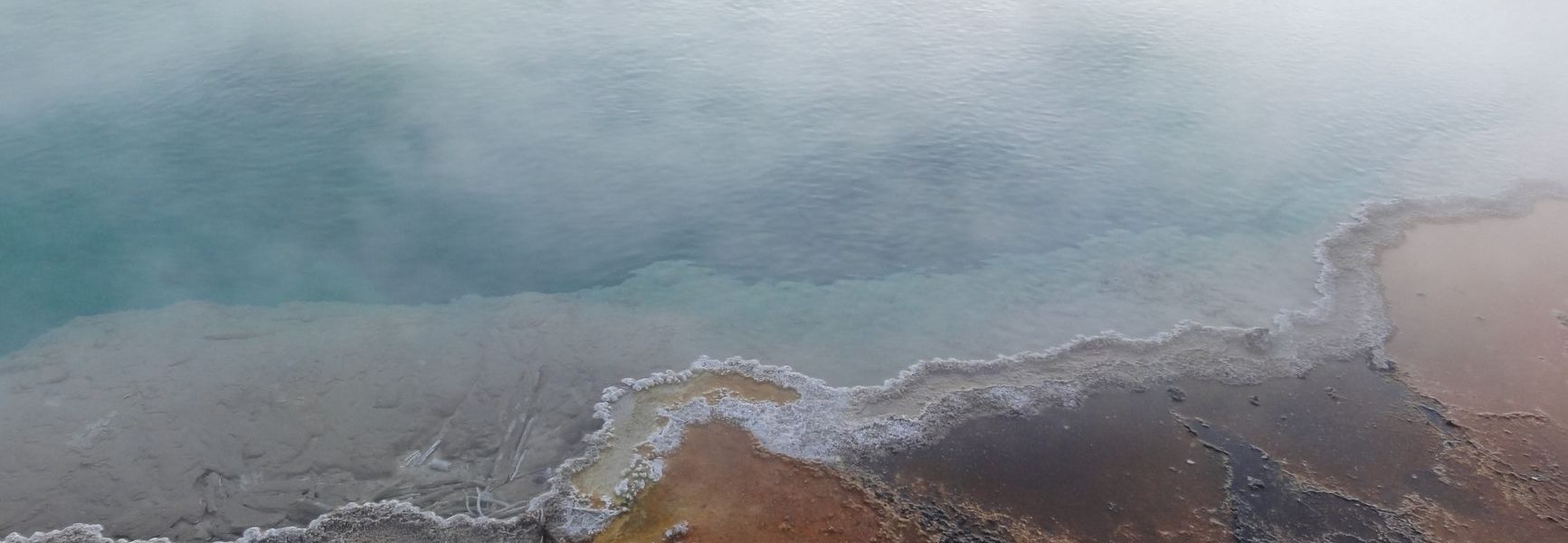

Britain’s Yellowstone is an ambitious project that involves the purchase of 7,500 acres in England for £8.5 million. This initiative aims to create a natural haven reminiscent of America’s Yellowstone National Park.
Overview of Britain’s Yellowstone Project
The ambitious project known as Britain’s Yellowstone aims to transform a vast expanse of 7,500 acres in England into a haven for nature enthusiasts. Acquired for £8.5 million, this initiative seeks to replicate the success of natural reserves found in the United States, particularly Yellowstone National Park.
With a commitment to wildlife conservation and ecological restoration, the project’s developers plan to focus on several key areas:
- Habitat Restoration: Reviving native flora and fauna to create a balanced ecosystem.
- Wildlife Corridors: Establishing safe passages for animals to thrive and migrate freely.
- Community Engagement: Involving local residents in sustainable practices and education.
Through these efforts, Britain’s Yellowstone aims to serve not only as a sanctuary for wildlife but also as a destination for visitors who cherish the outdoors and support conservation efforts.
Investment Details and Financial Aspects
The financial commitment to Britain’s Yellowstone has attracted significant attention from both investors and conservationists. The project, which covers 7,500 acres, was purchased for £8.5 million. This substantial investment underscores the growing recognition of the importance of preserving natural landscapes in the UK.
Funding for the project will primarily come from a mixture of private investments and public grants aimed at supporting environmental initiatives. The strategic financial planning involves:
- Private Investments: Engaging eco-conscious investors who prioritize sustainable development.
- Public Funding: Applying for grants from government bodies dedicated to nature conservation.
- Community Engagement: Involving local communities to create a sustainable revenue model through eco-tourism.
With these financial aspects in place, Britain’s Yellowstone aims to set a precedent for future conservation projects, blending profitability with environmental stewardship.
Environmental Impact of the Purchase
The purchase of 7,500 acres for Britain’s Yellowstone is poised to have a significant environmental impact. By transforming this area into a natural reserve, the project aims to restore ecosystems and promote biodiversity. Key benefits include:
- Wildlife Habitat Restoration: The initiative will support various species, allowing them to thrive in their natural habitats.
- Carbon Sequestration: Expanding forested areas will help capture carbon dioxide, mitigating climate change effects.
- Water Management: Enhancing wetlands will improve water quality and manage flood risks in surrounding communities.
- Community Engagement: The project encourages local residents to participate in conservation efforts, fostering a sense of stewardship.
In addition, the establishment of Britain’s Yellowstone will serve as a model for future conservation projects across the region. By prioritizing environmental sustainability, this initiative not only benefits wildlife but also enhances the overall health of our planet.
Tourism Opportunities in England
As Britain’s Yellowstone project unfolds, it presents numerous tourism opportunities that can attract nature lovers from across the globe. The vast 7,500 acres of stunning landscapes will be developed to enhance visitor experiences while preserving the natural environment.
Key attractions and activities anticipated for the area include:
- Wildlife Watching: Visitors can enjoy a chance to observe native species in their natural habitat, promoting biodiversity awareness.
- Guided Nature Trails: Well-marked paths will allow tourists to explore the picturesque scenery, with guides offering insights into local flora and fauna.
- Eco-Friendly Lodging: Sustainable accommodations will provide a unique stay, blending comfort with environmental responsibility.
- Educational Programs: Workshops and seminars will engage visitors in conservation efforts and the importance of preserving natural habitats.
Ultimately, Britain’s Yellowstone aims to create a harmonious balance between tourism and ecological preservation, making it a premier destination for eco-conscious travelers.
Comparing Britain’s Yellowstone to US National Parks
As nature enthusiasts explore the lush landscapes of Britain’s Yellowstone, comparisons to renowned US National Parks like Yellowstone and Yosemite arise. Both destinations prioritize conservation, biodiversity, and outdoor recreation, yet they also embody distinct qualities that cater to diverse visitor experiences.
In the US, national parks often feature expansive wilderness, iconic geothermal features, and a well-established network of visitor facilities. Conversely, Britain’s Yellowstone aims to blend ecological restoration with cultural heritage, celebrating the unique flora and fauna of the English countryside.
- Diverse Ecosystems: While US parks showcase dramatic geological formations, Britain’s Yellowstone focuses on restoring native habitats and promoting local wildlife.
- Community Engagement: Unlike many US parks, Britain’s Yellowstone emphasizes local community involvement and educational programs to foster a deeper connection with nature.
- Accessibility: The project is designed to be more accessible for urban dwellers in England, encouraging a broader audience to enjoy outdoor activities.
Community Reactions to the Initiative
Community reactions to the initiative of creating Britain’s Yellowstone have been largely positive, with many local residents expressing excitement about the potential benefits. Supporters highlight the project’s promise to enhance biodiversity and provide new recreational opportunities.
- Jane Thompson, a local environmentalist, stated, “This is a fantastic opportunity to restore our natural landscapes and protect wildlife.”
- Many small business owners are optimistic, believing that increased tourism will benefit their shops and services.
- Some farmers, however, have raised concerns about how the project may affect land use and agricultural practices.
Overall, the project has sparked a lively debate within the community, as residents weigh the benefits of a national park against the traditions of rural life. Local councils are considering ways to incorporate community feedback into the implementation of Britain’s Yellowstone, aiming to ensure that the initiative reflects the needs and desires of those who live nearby.
Future Plans for the 7,500 Acres
Future plans for the 7,500 acres that comprise Britain’s Yellowstone are ambitious and focused on fostering biodiversity and sustainable tourism. The project aims to create a thriving ecosystem that attracts both wildlife and visitors.
- Restoration Initiatives: Efforts will include the reintroduction of native species, habitat restoration, and the establishment of conservation programs to enhance local flora and fauna.
- Visitor Facilities: Plans are underway to develop eco-friendly visitor centers and educational trails that highlight the unique natural beauty of the area.
- Community Engagement: Local communities will be invited to participate in workshops and activities that promote awareness of conservation efforts and the importance of preserving nature.
- Partnerships: Collaborations with environmental organizations and universities will be established to ensure ongoing research and development in conservation practices.
As these initiatives unfold, Britain’s Yellowstone could become a model for other conservation projects, showcasing the importance of preserving natural landscapes for future generations.
Photo by Prashant Sasnoor on Pexels
Read the original
You might also like
Is the Kia Sorento Hybrid the Best All-Wheel Drive Option? · Best Trading Indicators Forex – Improve Your Analysis with Essential Forex Indicators · UEFA – Stay Connected with Top European Fixtures